Matlock owlMatlock
The Shoulder
28
plain-finch-265

3-car pileup on the highway — I was driving my coworker's car. What happens now?

Hey everyone. Never thought I'd be posting something like this but here I am.

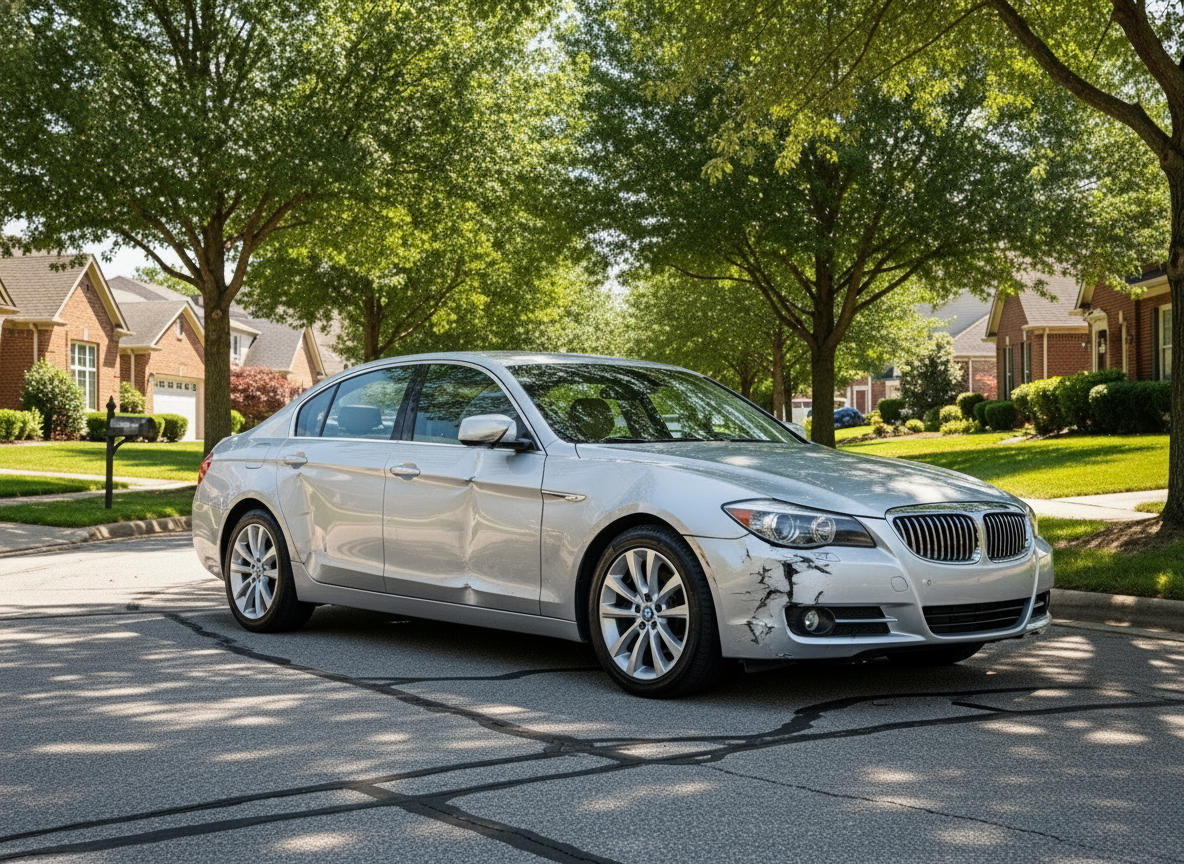
Last week I was driving my coworker's SUV — she lent it to me to help move some stuff and she came along for the ride. We were on the interstate when traffic just... slammed to a stop out of nowhere. I stopped in time, but the sedan behind us didn't. We got rear-ended pretty hard, which pushed us forward but we managed not to hit the car ahead of us.

Turns out the sedan that hit us also got rear-ended by a pickup truck, so there were three vehicles total involved. Police came, reports were filed, everyone exchanged info.

Neither of us needed an ambulance at the scene, but I'll be honest — my neck and upper back have been really stiff and sore since then. My coworker said her shoulder is bothering her too. We're both kind of in a "wait and see" mode with the physical stuff.

My main confusion right now is the insurance side of things:

  • I'm the one who was driving, but it's her car and her insurance
  • I have my own auto policy too
  • There are apparently two at-fault drivers (the sedan and the pickup)

Do both of our insurance policies come into play here? Does hers take the lead since it's her car? And what about the fact that there are potentially two liable parties — does that complicate the claims process?

I've never dealt with anything more than a fender bender before so I'm kind of lost. Any experience with multi-car situations like this would really help. Thanks in advance.
image

8replies

Not sure what your claim is worth?

AskMatlock can connect you with an independent injury lawyer for a free case check — no pressure, no cost to start.

Check my case

0 / 4000 · posted under a randomly assigned handle

8 replies

  • 12
    curious-newt-444

    Three things you should do right now if you haven't: (1) Get the police report copy. (2) Both of you go see a doctor and tell them exactly what happened and where it hurts. (3) Don't give a recorded statement to any insurance company — yours, hers, or the at-fault carriers — until you understand what you're agreeing to. That last one trips people up constantly.

  • 15
    sharp-owl-183

    So the general rule in most states is that insurance follows the car, not the driver. That means your coworker's policy will likely be the primary one involved. Your own policy might kick in as excess or secondary depending on how each policy is written — specifically whether it has a "permissive use" provision and how it defines coverage for non-owned vehicles.

    With two rear-enders involved, liability typically falls on the vehicle that made contact first and then the one behind it — it can get split or stacked depending on the investigation. You'll want the police report number handy and document everything. Not legal advice, just process stuff I've seen a lot of.

  • 6
    genuine-finch-615

    I was in almost this exact situation a couple years ago — driving a family member's car, got rear-ended, multiple vehicles involved. The short version: the car owner's insurance is usually considered "primary" when you're driving someone else's vehicle with permission. Your own policy can act as secondary coverage if there are gaps. It's messy but it does get sorted out. Definitely start a claim with her insurer first.

  • 13
    cool-wren-612

    Please don't ignore that neck and shoulder pain. I know it feels like it might just work itself out, but soft tissue injuries from rear-end collisions can actually get worse in the days following the crash before they get better. Go get evaluated — even just urgent care or your primary doc. You want it documented now, not two weeks from now when everyone wonders why you waited.

  • 3
    sharp-bison-848

    Not legal advice, but in multi-vehicle rear-end chains, fault attribution can actually matter a lot for how much each at-fault party's insurer pays. If both the sedan and the pickup share liability, you may be able to pursue both policies. With two people injured in your vehicle, it's worth at least talking to a PI attorney — most do free consults and can tell you pretty quickly if there's something worth pursuing. The permissive-use and primary/secondary insurance questions are exactly the kind of thing they sort out routinely.

    • 4
      gentle-grouse-940

      Ugh, this sounds so stressful. You're already dealing with the pain and now all this insurance confusion on top of it. Please take care of yourself first — go get checked out. The paperwork will still be there.

  • 15
    spry-swift-070

    Former claims adjuster here. A few things from the inside:

    1. Both carriers for the at-fault vehicles will be trying to figure out how to split responsibility — that negotiation happens between them, mostly without you. 2. Since you weren't at fault, you have the right to go directly after the at-fault parties' liability coverage rather than touching your coworker's policy at all. 3. That said, if repairs are urgent, using her collision coverage to start the process and letting the insurers subrogate later is also an option.

    The neck and back stuff — document it now. That's the kind of injury that can turn into a real claim, and adjusters notice when there's a gap between the accident and the first medical visit.

  • 2
    keen-stoat-126

    Just a heads up — when there are multiple insurers involved, they sometimes point fingers at each other and try to slow-walk the claims. Don't be surprised if one adjuster tells you to "wait for the other carrier to accept liability" before they do anything. Don't let them stall you indefinitely. Keep written records of every call and every person you speak with.